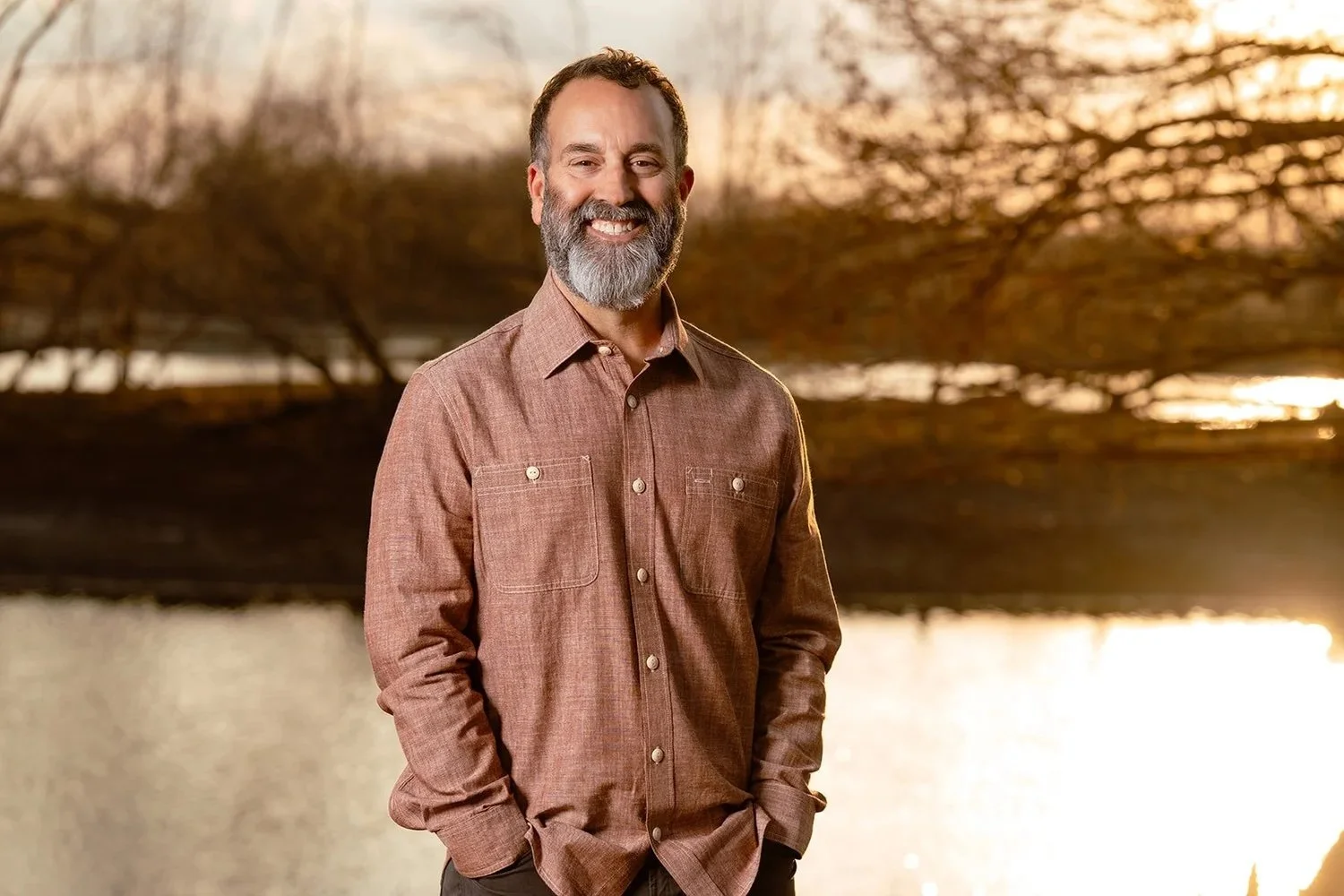
By Greg Rolfe, Chief Strategy & Development Officer
You cannot rush the reconstruction of a human life. After twenty years spent building and operating addiction treatment programs across Central Texas, this is the most fundamental truth I have encountered. I have seen that one of the most reliable predictors of a person's ability to sustain recovery is the amount of time they spend inside a safe, structured therapeutic bubble.
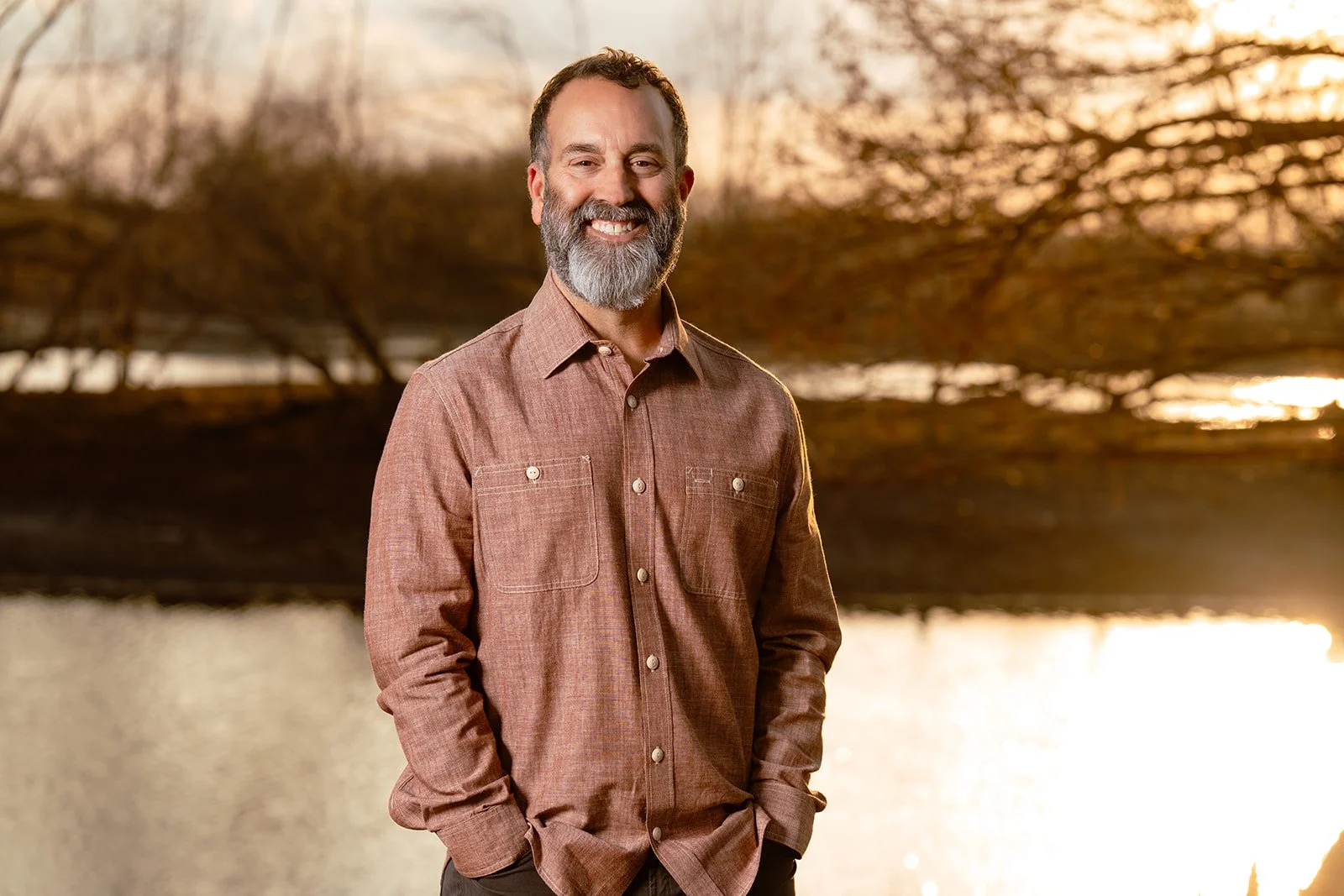
Chief Strategy & Development Officer Greg Rolfe by the pond at Plum Creek Recovery Ranch.
When families call us, they are usually in the middle of a house on fire. They are exhausted, scared, and looking for an extinguisher. It is natural to want a fast resolution so that a loved one can return to their responsibilities at home or work. However, my experience in program development and my own journey through addiction have taught me that recovery is a rhythm rather than a race.
True healing requires a sustained period of interruption to the old way of living.
The Problem with the Magic Number
30 days of residential treatment has become a magic number in the industry, but that is largely because of insurance cycles rather than what the brain actually needs. The reality is that you cannot undo years of destructive patterns in a few weeks. Recovery is a process of unlearning.
The brain requires a significant runway to physically recover from the impact of chronic substance use. Addiction creates physical pathways that dictate how a person responds to stress.
Research from the U.S. National Institutes of Health shows that it takes approximately 90 days for dopamine and serotonin levels to begin returning to a healthy baseline. If we return a person to a high-pressure environment before this chemical regulation occurs, we are asking them to rely on willpower that their brain is not yet physically capable of maintaining.
I lean on a philosophy of regulation before reflection. We cannot ask a person to engage in deep emotional work or address complex family dynamics while their nervous system is still in a state of survival.
The first few weeks of treatment are dedicated to removing a person from the environment that sustained the addiction and getting substances out of their system, allowing the body to regulate so they can finally catch their breath and see a clear path forward.
The Stages of the First 90 Days
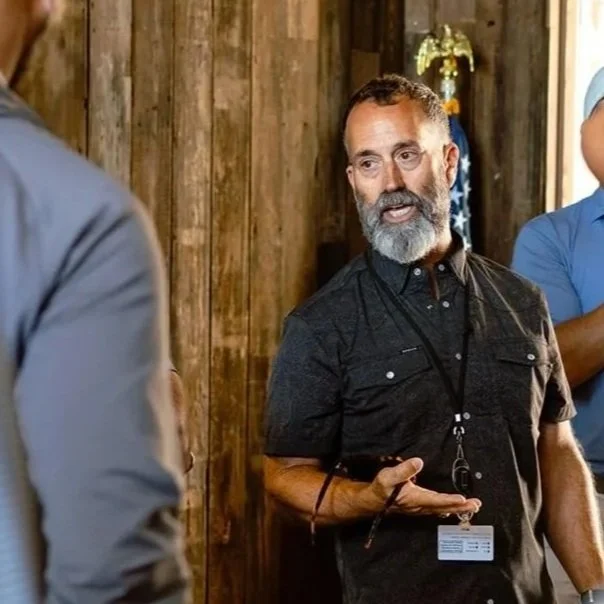
Greg Rolfe shares about Plum Creek Recovery Ranch’s clinical approach during a facility tour.
Through my experience in the recovery community, I have observed a distinct rhythm that occurs during a 90-day stay.
In the first 30 days, we often see a phase of simple compliance. The patient follows the rules and participates in the schedule because they are in a controlled setting. Their physical health improves and they often experience what I call the reconstruction of the ego. This is a moment where the person feels physically restored and assumes they are cured.
However, this 30-day mark can be a dangerous time for a patient to leave and step directly back into the environment they came from. While they feel better, they have not had time to learn, and practice, new coping mechanisms.
For many people, the real transformation happens between days 30 and 60. This is the stage of surrender where a person moves past doing what they are told and begins to take ownership of their healing. This is when they truly start engaging with the 12-steps and the therapeutic community on a personal level.
It's during days 60 to 90 that a person is able to harden these habits and complete the specific bodies of work required to ensure they are ready for a different level of independence.
Discharge Based on Benchmarks
Clinical decisions shouldn't be based on a calendar. At Plum Creek, we believe that a person’s readiness for discharge should be determined by achieved benchmarks and measurable accomplishments. This means the length of stay is individualized based on the work a patient completes while they are here.
We look for a clear transition from being capable of receiving treatment to being capable of living out the principles of recovery in the real world.
Our 200-acre campus in Lockhart serves as a vital tool in this process. We use the environment at Plum Creek to help patients get out of their heads and into their bodies. Whether it is through equine-assisted work or the daily discipline of ranch life, these experiential activities reveal behavioral patterns that traditional talk therapy might miss. This hands-on work is essential for building the grit and accountability necessary for long-term success.

Hands-on experiences help you reconnect with yourself, the natural world, and other people doing the hard work of recovery.
Supporting the Full System
I recognize the practical challenges that come with an extended stay in treatment. Business leaders, professionals, and parents often feel they cannot be away from their responsibilities for 30 days, much less 60 or 90.
But, just like on an airplane, you have to secure your own oxygen mask before you can help anyone else. You must prioritize your own recovery if you are going to effectively manage the important responsibilities in your life. In the meantime, we have case managers who will be here to help you manage your affairs while you're away, so that you can focus on the task at hand.
Recovery is not a solitary journey. It involves the entire family system. A longer stay at Plum Creek gives families the time they need to engage in their own process of change. If a person returns to a home environment that has remained exactly the same, the risk of relapse is significantly higher. By extending the duration of care, we allow both the individual and their loved ones to prepare for a sustainable future.
Seeking Clarity for the Next Step
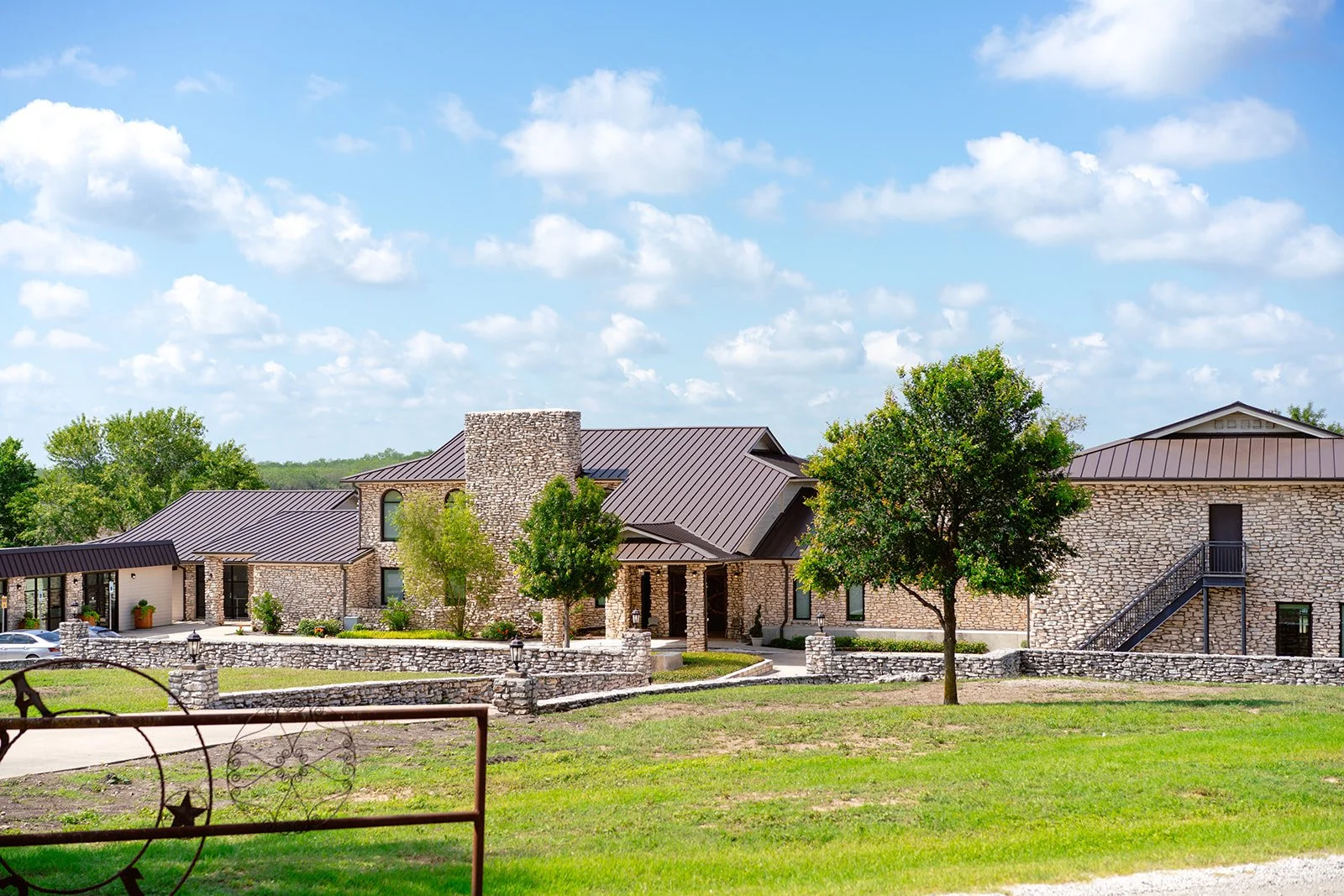
The main house at Plum Creek Recovery Ranch provides a structured, supportive space for healing.
The decision regarding the length of treatment is a clinical conversation. It should be rooted in the specific needs and history of the individual.
The length of time you'll need to build a foundation for successful recovery may not match a pre-set 30-day standard. You are an individual, with unique needs and personal history.
Because everything we do at Plum Creek Recovery Ranch is focused on helping you enter long-term recovery, the clinical team will work with you and your family to plan well for each step in your treatment journey.
Recovery is a commitment to a new way of life. The time you spend at Plum Creek is the most critical part of that foundation. We focus on providing the discipline, safety, and clinical excellence required to ensure that when you leave our ranch, you are truly prepared to stay the course.