How Residential Treatment Builds a Foundation for Long-Term Recovery
By Charles Slaton, Recovery Support Specialist Manager
When I first walked into addiction treatment, I didn’t have a big master plan for my life or a vision of working in behavioral healthcare. I was just trying to get sober and find a way to start feeling better.
I had been to treatment more than once. I was stubborn, and I kept looking for whatever loophole or shortcut might let me do things my way one more time. Eventually, life got difficult enough that I had to listen to people who had been through this before and try something different.
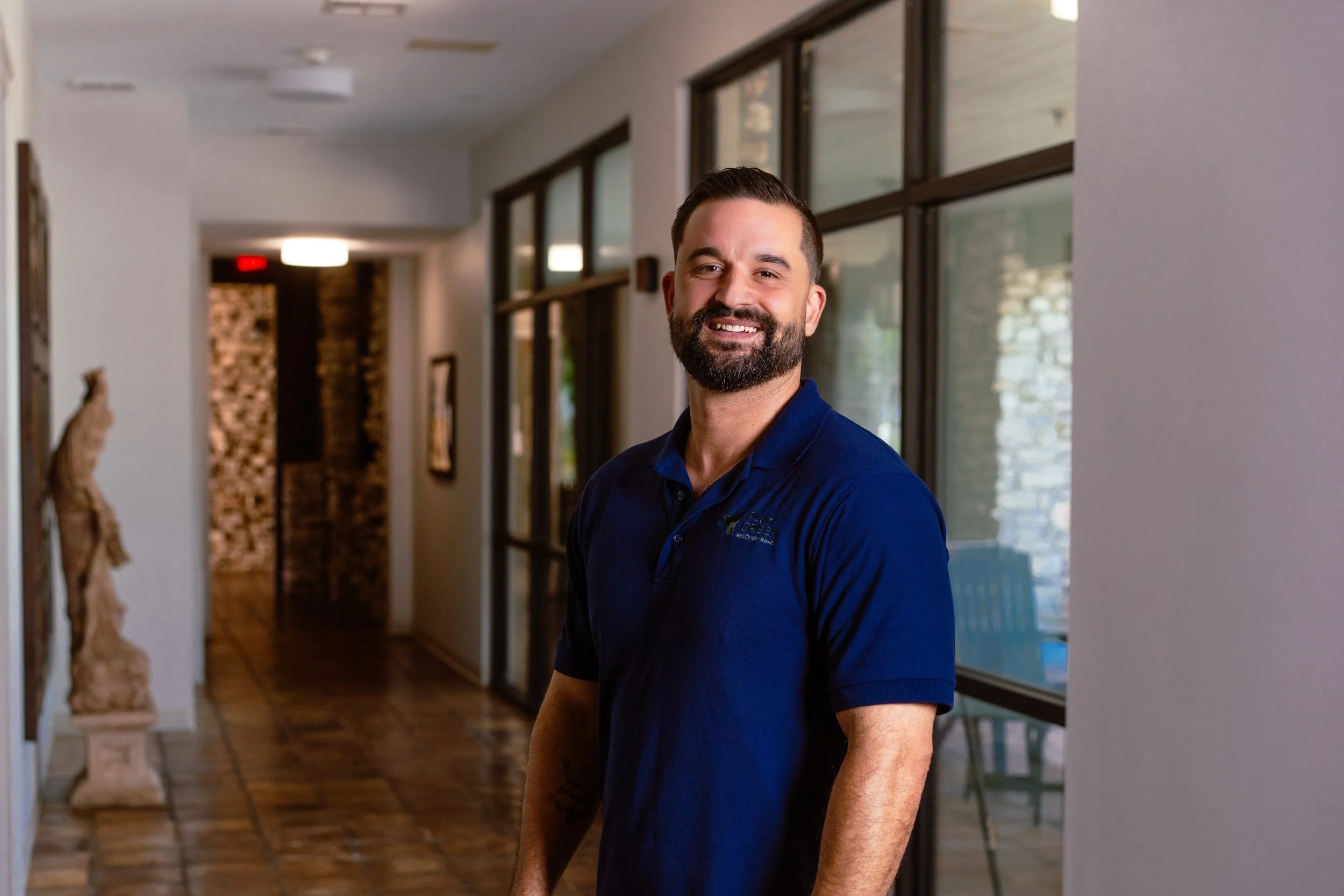
Charles Slaton, Recovery Support Specialist Manager, in the main hall at Plum Creek Recovery Ranch.
Today, with years of recovery behind me and as the Recovery Support Specialist Manager at Plum Creek Recovery Ranch, I recognize some of the same uncertainty I felt in the people we work with.
One of the things I try to help residents and families understand is that completing residential treatment is a significant step, but the work does not end when someone leaves the ranch. The goal is to begin building habits, relationships, and ways of responding to life that can support recovery after treatment.
Residential treatment gives you a place to start doing that work.
Recovery Is Built Throughout the Day
Recovery in residential treatment happens throughout each day. At Plum Creek, that includes a full daily structure of individual and group therapy, experiential and outdoor movement across our 200-acre campus, shared meals, and time for reflection. A lot of important work happens in formal therapy, but recovery does not stop when a counseling session ends.
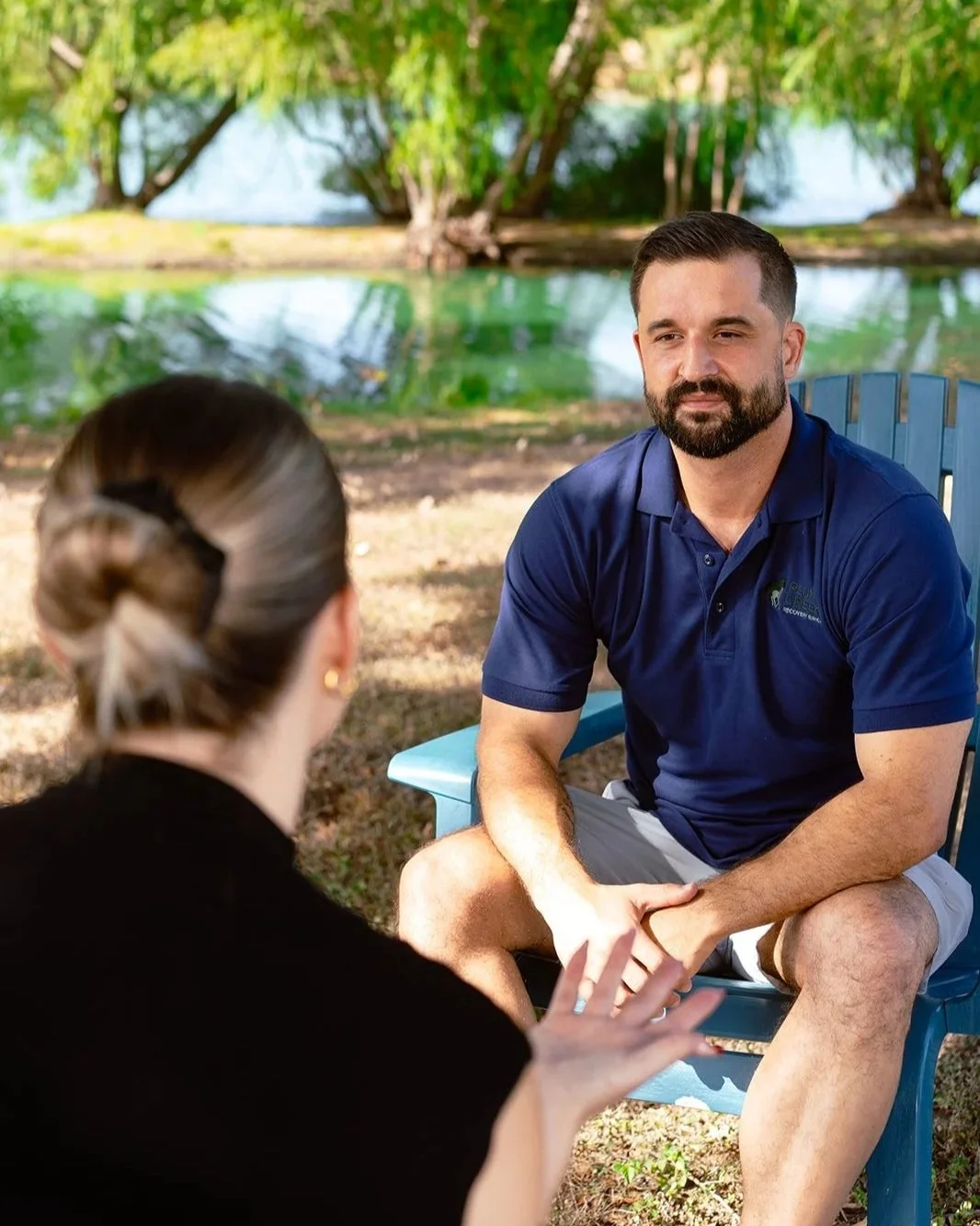
RSS staff spend time getting to know residents on campus to support them through difficult days.
As Recovery Support Specialists, my team and I are with residents throughout these daily routines, helping carry the structure of treatment into the everyday moments between formal clinical sessions.
We are there before group, during meals, between scheduled activities, and when somebody is frustrated, angry, homesick, or simply having a rough day.
Part of our job is accountability. We encourage people to get to group, follow the program, and keep doing what they came here to do. But accountability works better when there is a relationship behind it.
I spend time getting to know residents and sharing parts of my own story. If I am asking somebody to do something difficult, I don't want to be some random guy telling them what to do. I want them to know I have been there, I care about what happens to them, and I want to see them be successful in their recovery.
Practicing Recovery in Everyday Moments
Progress often happens in small steps.
It can look like somebody simply coming to me and saying, “I’m having a hard time right now,” instead of shutting down and pretending everything is fine.
If somebody is angry, does not want to go to group, or is struggling to be around other people, we can sit down and talk about what is actually going on. They are practicing how to recognize what they are feeling, ask for help, and take action instead of staying stuck.
The same thing happens with conflict. A resident may get frustrated with another person or hear something from staff they do not want to hear. Before treatment, a moment like that may have ended with drinking, using drugs, isolating, or blowing up.
Here, we can work through it while it is happening.
That is a big part of what residential treatment can provide: a place to practice different responses before you have to rely on them outside the ranch.
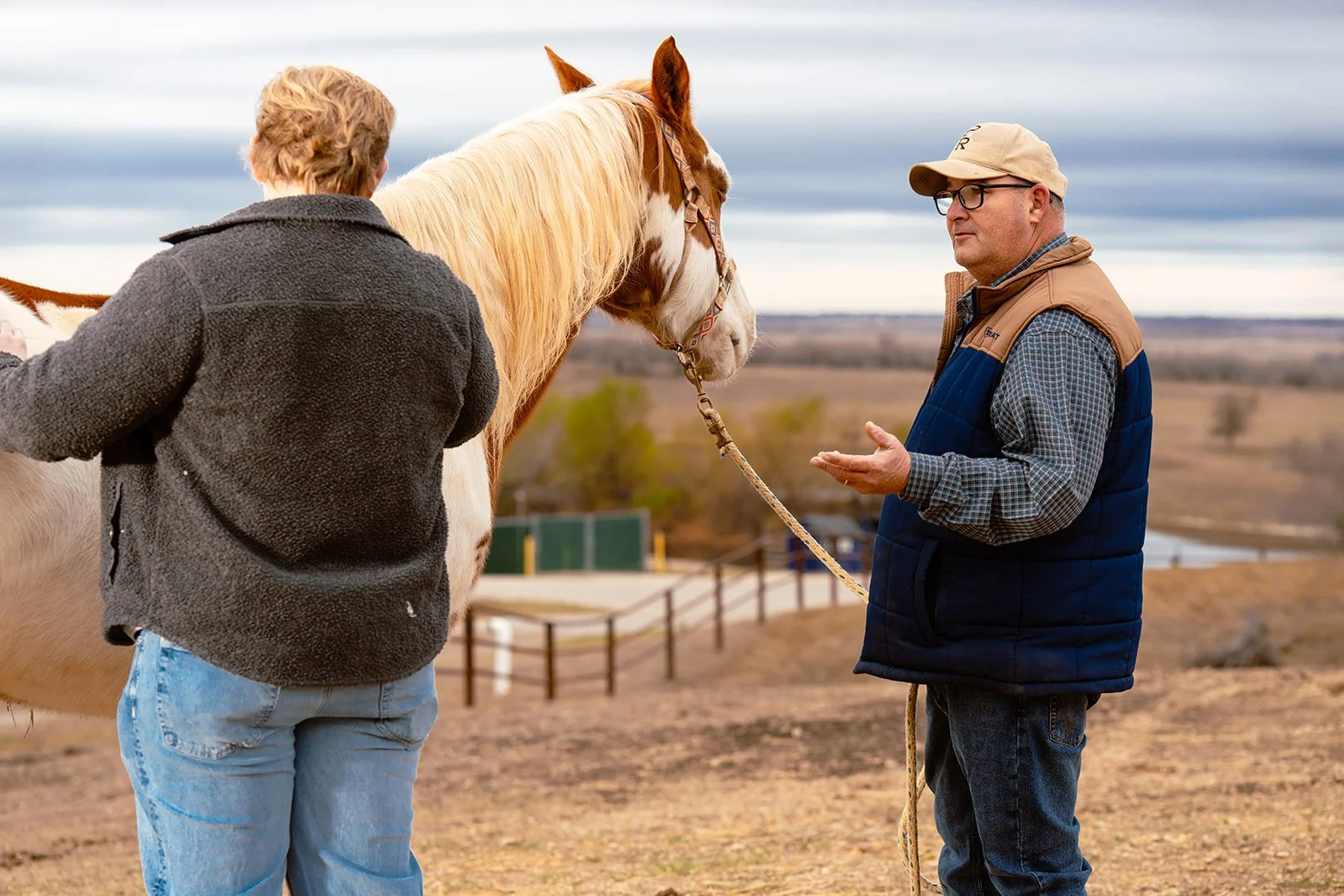
Practicing recovery happens in action—experiential work across campus allows residents to apply new tools and self-awareness in real time.
Building Structure for Life in Recovery
The daily structure we have built at Plum Creek is part of that practice, too.
For a lot of us in active addiction, normal routines have broken down. Residential treatment at Plum Creek introduces a different rhythm: groups, meals, responsibilities, conversations, and expectations.
You do not always feel like doing all of it. That is part of learning how to live differently. Life outside treatment requires structure, too. Work, meetings, exercise, family, therapy, and everyday responsibilities all require you to keep showing up.
Having a bad day does not mean the work is failing. I have years of sobriety, and I still have bad days. The difference is that today I know I can tell somebody I am struggling, ask for help, keep my commitments, and get through a rough day without trying to escape it.
Those things take practice.
Preparing for Life After Residential Treatment
Eventually, the structure of residential treatment changes. That is why we do not want somebody waiting until the day they leave to start figuring out what comes next.
Depending on the individual, continuing care may include outpatient treatment, sober living, 12-step meetings, sponsorship, ongoing involvement with our Plum Alum alumni network, and other forms of support.
Every plan looks a little different. Whether it involves plugging into alumni groups, stepping into sober living, or securing outpatient care, what matters is having a plan and a strong support network in place before someone leaves.
Residential treatment gives us time to begin building those next steps before the structure of the ranch is no longer there.

Establishing strong support networks before discharge helps ensure residents transition smoothly back into daily life.
Recovery Has to Be Shown Over Time
Years ago, I heard somebody in a meeting say that one of the greatest gifts of recovery was that his mom could finally sleep at night.
That stayed with me because I knew exactly what he meant. My mom used to stay awake wondering where I was, what I was doing, and whether she was going to get a terrible phone call. She does not have to live that way anymore.
That did not change because I told her everything was going to be different. It changed over time because my actions began to match what I was saying.
At Plum Creek, our clinicians emphasize family involvement throughout treatment because addiction affects the entire family system. Through dedicated family sessions and education, our team works with loved ones to help them establish healthy boundaries, understand the recovery process, and begin their own healing.
Treatment can be the beginning of real change, but trust may take longer. Families also need time to see recovery demonstrated through consistent action.
Are You Ready to Try Something Different?
When I talk with somebody who is overwhelmed by the idea of treatment or everything that may come afterward, I do not expect them to have the rest of their life figured out.
I usually start with a much simpler question: Are you ready for a change?
At Plum Creek, you have a safe place to get better. We provide the tools to help you recover, build a routine, work through hard times in a healthy way, and build a healthy community that can support the next stage of community.