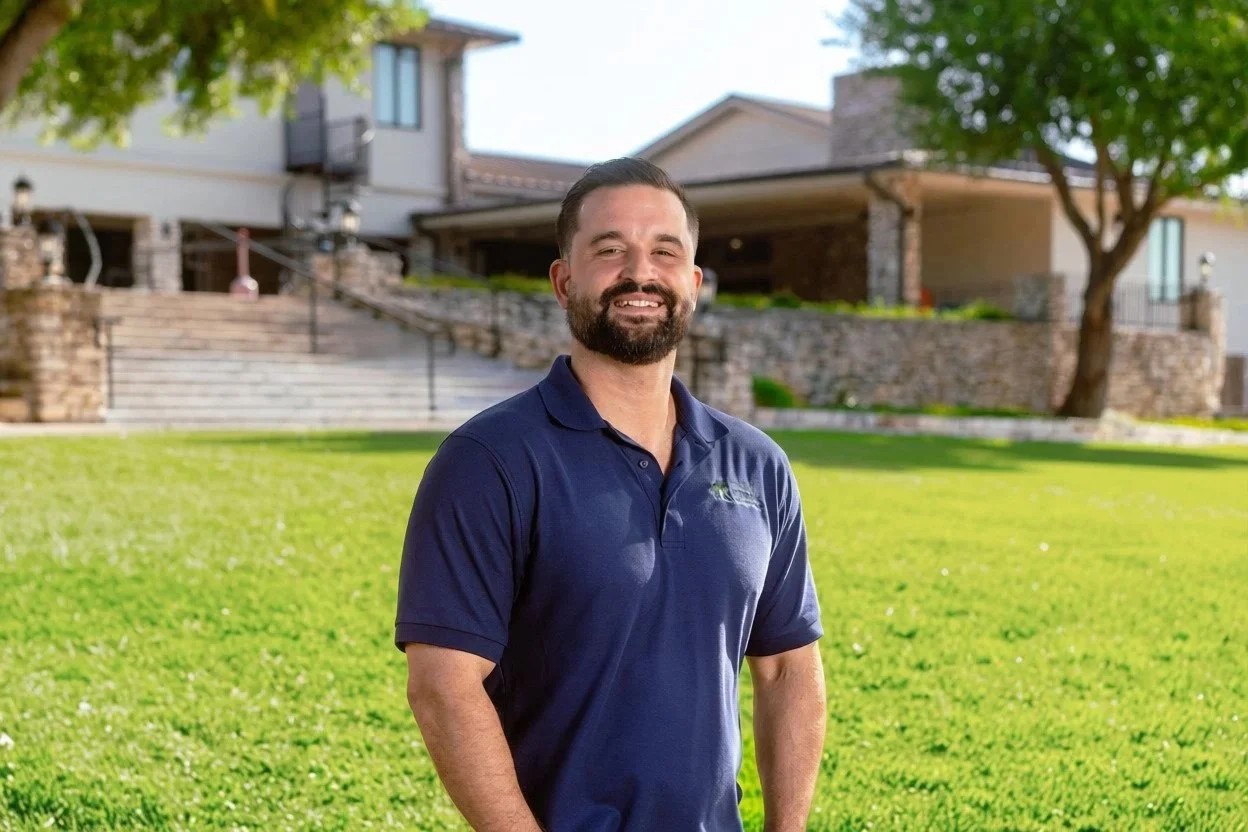
By Elizabeth Rolfe, Clinical Director, Plum Creek Recovery Ranch
When your loved one enters residential addiction treatment, you may feel two things at once: relief and fear.
Relief because, for the first time in a long time, you might be able to sleep without worrying about a 2 a.m. phone call. Maybe you're no longer constantly checking your loved one's location, jumping at the sound of sirens, or dreading a knock at the door from the police. You know they're safe and receiving care. But after months or years of managing crises and trying to keep someone alive, stepping away from that emergency mode might feel uncomfortable.
I tell families these feelings are completely normal. This is a period of uncertainty, but it is also a period of hope.

Elizabeth Rolfe, Clinical Director, leads the clinical team and family programming at Plum Creek Recovery Ranch.
I know this territory from both sides. I entered treatment when I was 17 and have been in recovery ever since. I've also watched members of my own family find sobriety. Professionally, I've spent more than 15 years working in addiction treatment and behavioral health, including leadership roles in residential and outpatient programs and work within the Texas correctional system.
Through all of those experiences, I've learned how important safety is to recovery. People need an environment where they can begin addressing difficult things, and families need that opportunity, too.
At Plum Creek Recovery Ranch, we believe family involvement is an essential part of treatment. While your loved one does the hard work of recovery on the ranch, I encourage you to begin making changes of your own.
Here's what that looks like.
What to Expect During the First Days of Residential Rehab

While residents find their footing on the ranch, families receive the support they need to start making positive changes of their own.
When someone arrives at Plum Creek, our goal is to contact their family within the first 24 hours, with appropriate authorization. We want you to know they have arrived safely, how they're settling in, and what their first few days will look like.
From there, we aim to provide weekly updates from a therapist or case manager. We'll discuss general progress, concerns, and recommendations for care while respecting your loved one's privacy.
These conversations are also about you. How are you doing? What support do you have? Are you willing to participate in family therapy?
I encourage families to find their own therapist, attend Al-Anon meetings, and connect with others who understand what they're experiencing. For many families caught in the chaos of addiction, taking care of themselves has been the last thing on their minds for a long time.
Having your loved one in residential treatment is an opportunity to make positive changes for yourself too.
Why Limiting Outside Distractions During Residential Treatment Matters
We work with people whose brains, behaviors, and relationships have been shaped by years of active addiction. We have a limited window to help them begin changing those patterns, and we need them to be present for that work in residential treatment.
When someone is checking work emails, responding to family conflicts, or trying to manage outside responsibilities, their attention stays on problems they can't control from the ranch.
To minimize those distractions, patients don't keep their personal cell phones during treatment. They generally begin with seven days without personal calls, followed by the opportunity for one 10-minute call each week to an approved contact, depending on their participation in treatment.
We also recognize that people have lives and responsibilities outside the ranch. When necessary work, legal, or other obligations arise, our clinical team can evaluate exceptions individually.
What to Expect From Your Loved One's First Call
Your loved one might tell you everything is wonderful, they've figured it all out, and they're ready to come home. Or they might tell you the food is terrible, the beds are uncomfortable, and they don't belong here.
Neither reaction is unusual in early treatment.
My advice is to use that short conversation to reconnect. Talk about ordinary things: the kids, the dog, or what happened over the weekend. A 10-minute phone call isn't the time to resolve old arguments or discuss financial problems your loved one can't address from the ranch.
Of course, if something they tell you raises a legitimate concern, bring it to our clinical team. We're here to help families navigate those conversations.
Learning to communicate differently is part of treatment, and families get to practice those skills, too.
Why Family Therapy Is Part of Addiction Treatment

Family therapy provides a safe environment to work through relationship dynamics and build sustainable communication habits together.
Our family therapy sessions are structured around specific clinical goals. We're not bringing everyone together to spend an hour rehashing ten years of arguments.
With a couple, we may discuss whether returning home together immediately is appropriate or how to begin repairing trust. With a parent and adult child, we may focus on identifying unhealthy patterns of dependence and establishing boundaries.
Our priority is to address the most immediate concerns, begin creating safety in relationships, and develop practical plans for moving forward.
And that's where a lot of the work comes back to two things: boundaries and planning. What needs to change? What will communication look like? What happens when your loved one leaves treatment?
These are conversations we can begin having during treatment.
What Happens During Plum Creek's Family Program?
Our monthly Family Program brings approved loved ones ages 18 and older to the ranch for a day of education, experiential therapy, and time together. It's generally held on the third Sunday of each month.
The day begins with a family-only process group. This gives families space to talk openly about their fear, exhaustion, anger, and grief without having to protect their loved one's feelings.
Patients then join their families for experiential activities, including equine therapy and art-based work, as well as a shared lunch. Throughout the day, we provide education on addiction, healthy communication, boundaries, and aftercare.
I want families to understand what their loved ones are experiencing in treatment, but I also want them to have their own experience. These activities help people recognize patterns in their relationships and practice healthier ways of responding to one another.
Planning for Life After Residential Treatment
We begin talking about discharge and continuing care early in residential treatment because what happens after someone leaves the ranch matters tremendously.
Your loved one may be making progress, participating in therapy, and feeling better than they have in years. That's encouraging. But returning to the same environment and routines without continued support can put that progress at risk.
Our team helps patients and families plan for next steps, which may include partial hospitalization (PHP), intensive outpatient treatment (IOP), sober living, and other forms of continuing care.
Your loved one may tell you they don't need aftercare. They may promise everything will be different this time. And they may genuinely believe that.
But addiction is a chronic disease, and good intentions alone aren't a plan for recovery.
We work with families to help them understand treatment recommendations, establish realistic expectations, and set boundaries around communication, finances, living arrangements, and other responsibilities.
You can support your loved one's recovery without taking responsibility for every decision they make.

If Nothing Changes, Nothing Changes
There's something I say to families all the time: If nothing changes, nothing changes.
If your loved one begins changing their behaviors in treatment but returns to the exact same family dynamics, sustaining that progress becomes much more difficult.
That's why I encourage families to take their own work seriously. Participate in family therapy. Find a support group. Practice setting boundaries and begin making changes that support your own well-being.
I want families to experience relief, too. To sleep through the night, take care of themselves, and reclaim the parts of their lives that have been overtaken by crisis.
Recovery offers your loved one an opportunity to build a better life. You deserve that opportunity, too.
If you have questions about family involvement or residential addiction treatment at Plum Creek Recovery Ranch, our Admissions team can help you understand what to expect.