Inside a Typical Day in Residential Treatment for Addiction
By Tonya Rains-Love, Chief Operating Officer
When people begin searching for residential treatment, one of the first questions they ask is: What is it actually like?
As someone who oversees residential operations at Plum Creek Recovery Ranch, and who has been in treatment herself, I understand that question from both sides.
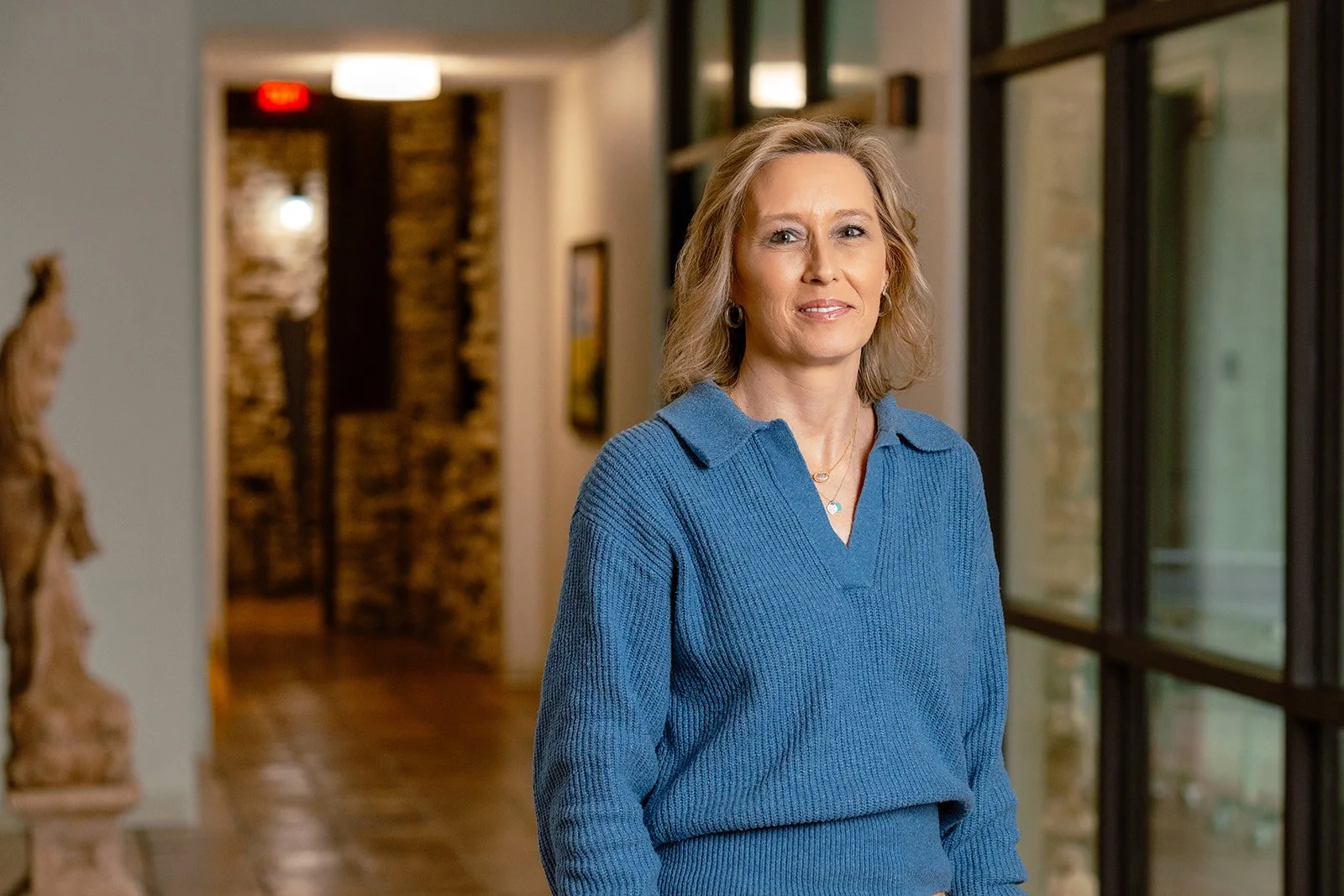
Chief Operating Officer Tonya Rains-Love in the main house at Plum Creek Recovery Ranch.
I started my healthcare career as a nurse before struggling with opiate pain medication addiction and losing my license. After treatment, I found my way back into healthcare through recovery work. I began as a recovery support staff member at Plum Creek in 2021, and eventually stepped into overseeing residential operations, and now I serve as COO.
My personal journey informs how I think about residential treatment today. I understand how vulnerable those first days can feel. I’ve seen how structure, consistency, and accountability can create the conditions needed for real change.
From lived experience and years of professional work, I know that our residential treatment program is a starting point that can lay the groundwork for long-term recovery.
Hear Tonya share what she wants people to know about the treatment experience at Plum Creek Recovery Ranch.
Where residential treatment fits in the recovery process
Residential treatment is one step in the larger recovery journey.
Some people arrive after completing medical detox. Others come after outpatient support isn’t enough. For some, residential treatment is their first time receiving full-time professional support.
It offers a clear plan for what comes next. Early in treatment, discharge planning begins. Appointments with doctors, therapists, and psychiatrists are coordinated so that when someone leaves residential care, they are not walking out without direction.
We design the treatment program to support continuity in the recovery process. When appropriate, individuals may step into partial hospitalization, intensive outpatient, sober living, or community-based recovery support. The goal is steady movement forward so that their next steps are sustainable after treatment.
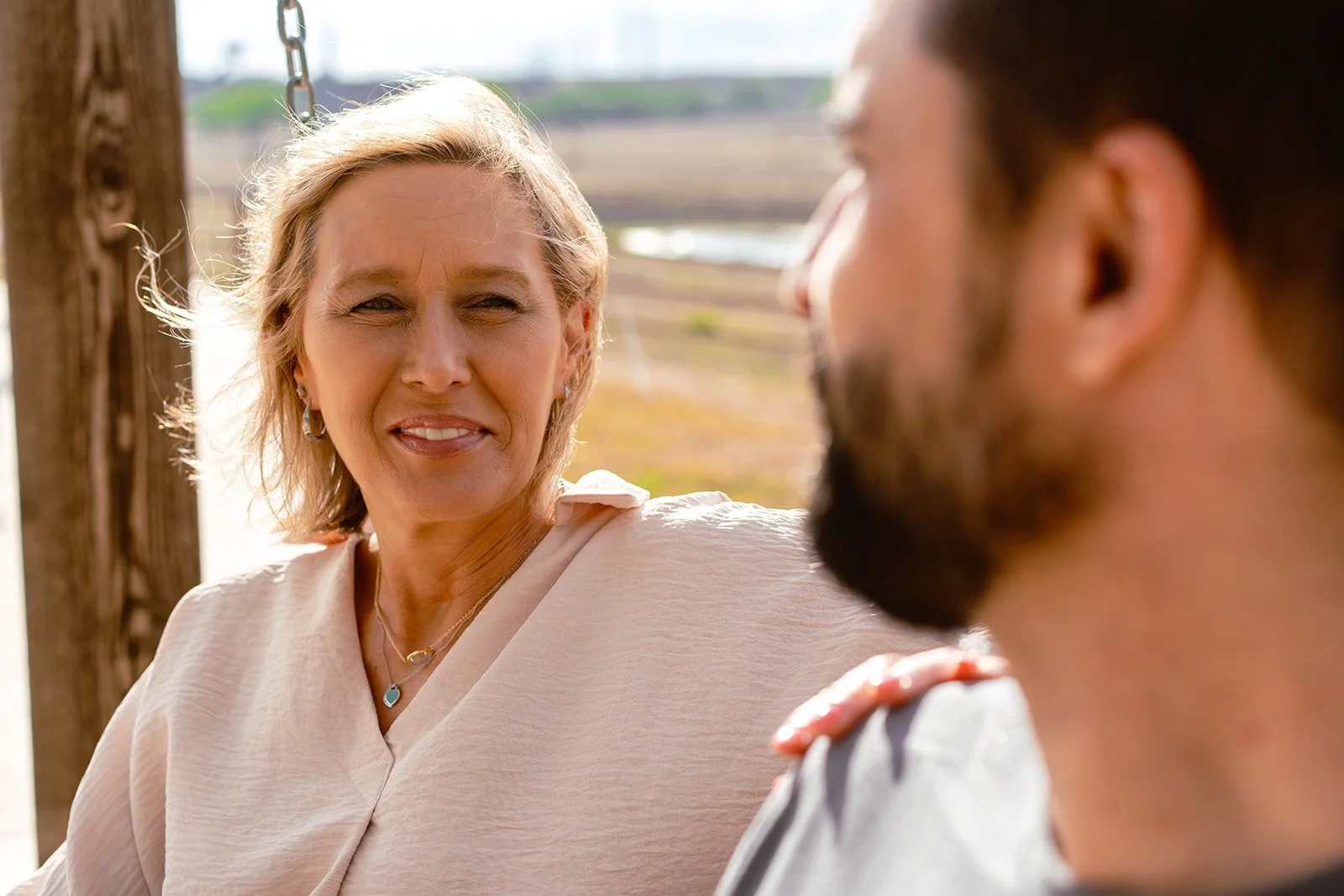
You’ll have a chance to get adjusted to the center’s environment and begin building new routines, with peers and clinicians to support you.
What the first days are focused on
The first few days in residential treatment are about getting stabilized and easing into care.
Many individuals arrive exhausted, emotionally overwhelmed, and unsure of what to expect. Our process at Plum Creek includes making space to adjust to a new environment, meeting staff and peers, and beginning to build daily routines.
Safety and clear communication are our priorities. We have support staff available around the clock, and our focus during these early days is on helping people get adjusted as we move into therapeutic work.
How structure supports recovery
When I think back to my own recovery, I remember how structure and consistency played a huge role. That predictable flow helped regulate stress and reduce the mental exhaustion that can come from constant decision-making.
Each day includes therapy, health and wellness activities, meals together, and time for reflection. Daily living skills are reinforced in simple ways, such as making the bed, preparing for the day, and participating in community responsibilities.
These routines help rebuild habits that support emotional regulation and accountability.
How therapy works throughout the day
Therapy in residential treatment is individual and communal.
Clients participate in one-on-one sessions, groups, and recovery-focused education. In individual sessions, they may work through trauma, family dynamics, and coping strategies. Group therapy can be a reminder that they’re not alone in struggling. It also provides connection with people who understand their experience.
Conversations that we begin during the session often continue informally throughout the day during meals, during reflection time, or in peer interactions.
Why experiential therapy is part of residential care
We integrate experiential therapy into our process to complement talk therapy.
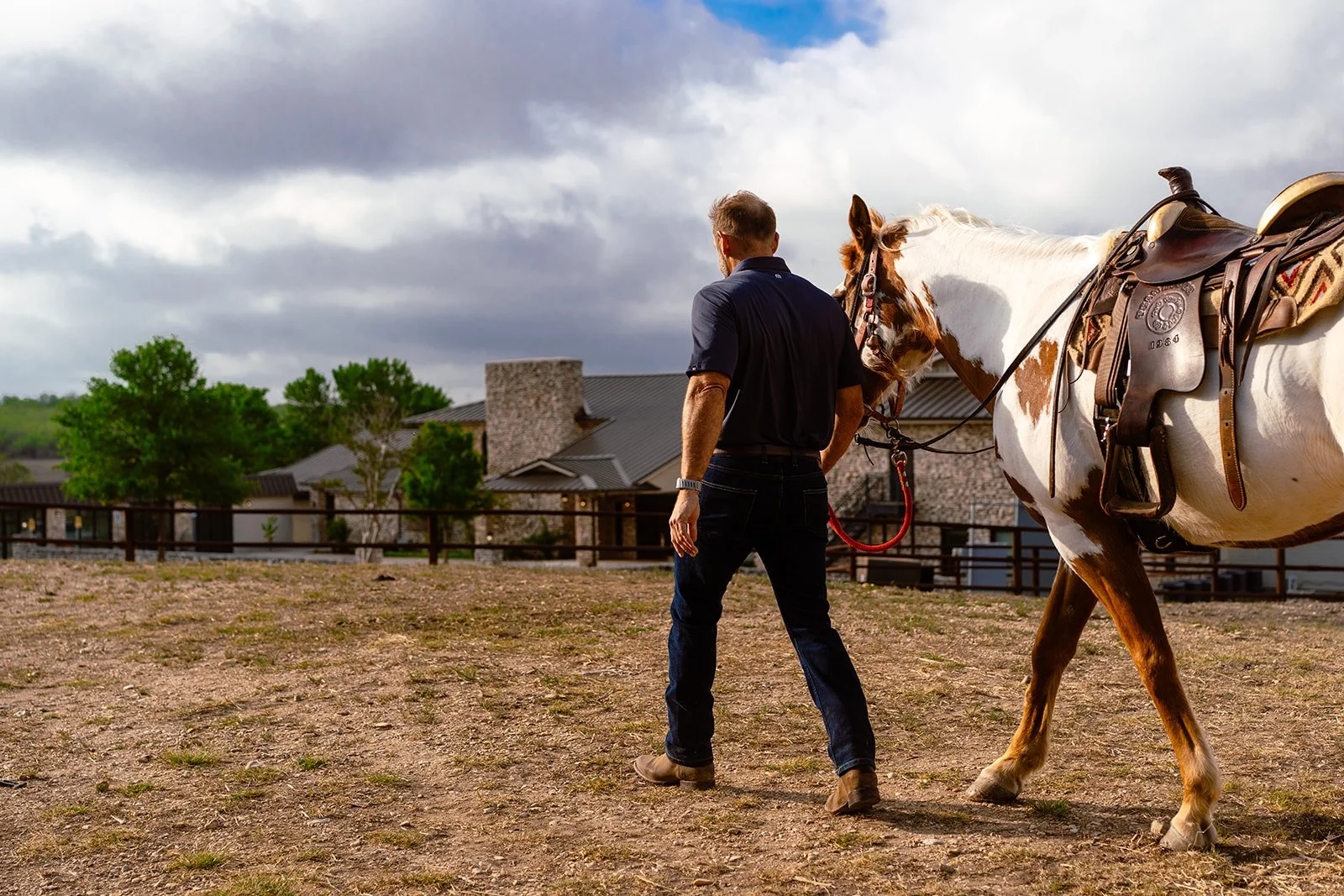
Our residential treatment includes opportunities for physical movement and outdoor activities to engage the body and the mind. Clients may participate in activities such as walking trails, swimming, or equine therapy. They may contribute to the care of the property to help build responsibility and connection.
Experiential approaches can help access emotional patterns that are difficult to articulate verbally. Engaging physically in structured, supported activities can deepen therapeutic breakthroughs.

Participating in care for the animals you’ll work with in equine therapy is part of the experience.
The role of family during residential treatment

When relationships can be restored, family involvement is a priority at Plum Creek Recovery Ranch.
Family involvement can be an important part of recovery when it is healthy and appropriate.
The disease of addiction impacts more than one person. I often explain to families that the family is sick as well. By that, I mean that the people we care about are significantly impacted by the chaos and unpredictability that addiction brings.
Our family programming focuses on education and healing. Families learn about addiction, what enabling looks like, and how to rebuild trust. Structured family sessions provide a space to have difficult conversations in a supported setting.
We do understand that not every relationship can or should be restored in the same way. Our goal is to encourage healthier dynamics and clear boundaries moving forward.
Downtime, rest, and reflection
Our residential treatment follows a structure, and we also understand the importance of rest.
Recovery is emotionally and physically demanding. We build downtime into the program to allow clients to absorb what they’ve learned, regulate their emotions, and settle their nervous system.
Evenings include time for journaling, listening to music, or reflection. After structured programming ends, we give clients time to decompress or take a mental break.

Plum Creek’s 200-acre treatment campus offers a restful environment for reflection at the end of the day.
Staying connected while focusing on recovery
Communication with family and friends during residential treatment is handled with care and according to the unique needs of each person.
Boundaries do exist to support clients’ focus and help maintain a stable environment for recovery. Specific details vary based on the clinical needs and phase of care for each individual, and the admissions team can answer questions about communication and contact directly.
During our residential treatment we want to create enough distance from the triggers that may have fueled addiction.
As I often explain, treatment pauses life. That pause gives people the opportunity to regain clarity and develop skills they can carry with them after leaving the program.
From crisis stabilization to lasting change
As clients move through treatment, their role changes. What begins as learning how the program works gradually becomes practicing what recovery looks like in real life.
Clients begin examining long-standing patterns, making practical plans for what comes next, and strengthening the habits they will rely on outside of residential care.
We encourage clients to see treatment as preparation instead of the end of recovery. It is the transition into applying what has been built here.
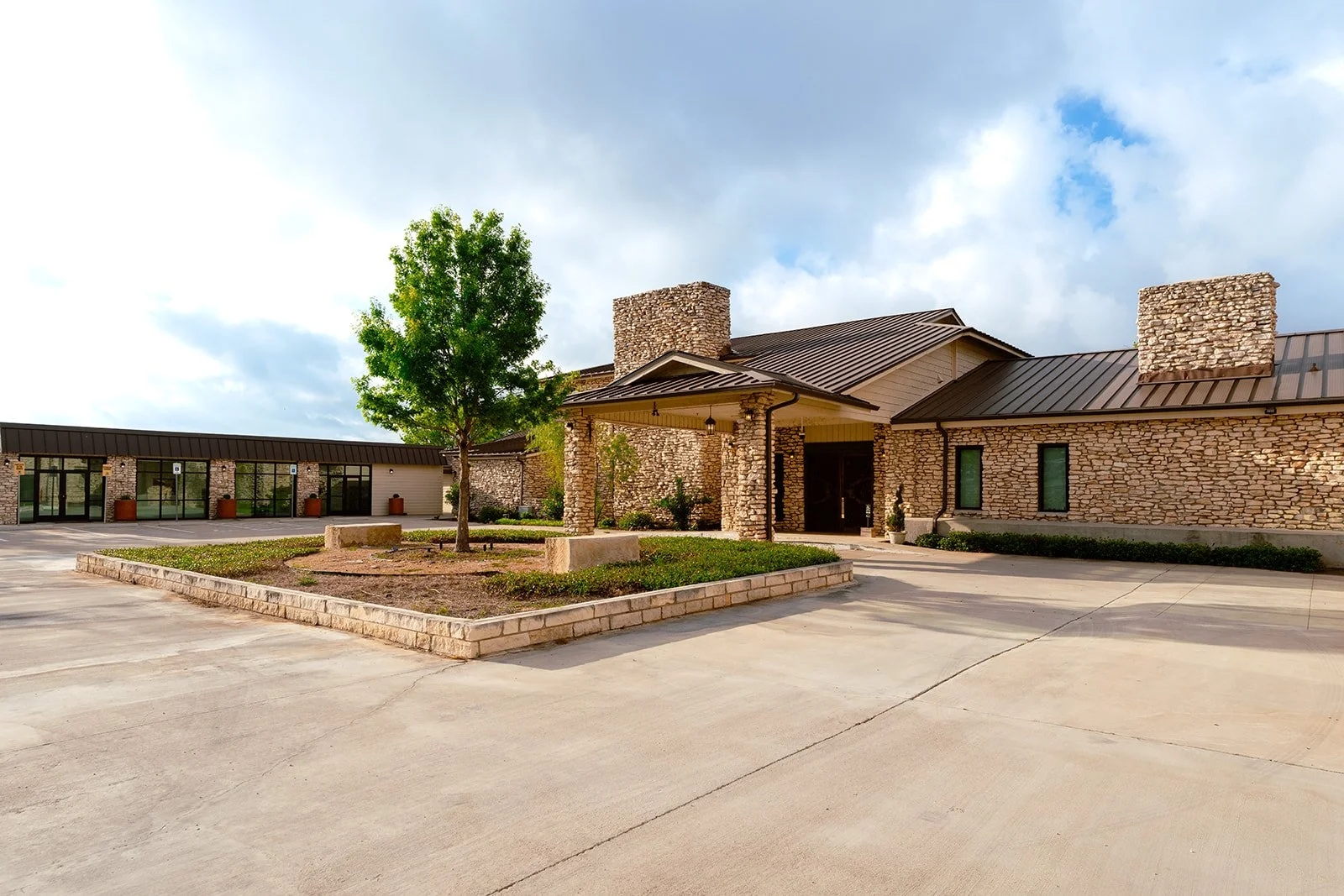
It takes time to build a recovery that lasts. Plum Creek Recovery Ranch provides the structure and consistency for a strong foundation in recovery.
This is the beginning
Over the years, I have watched clients grow from crisis stabilization to sustainable change. I have also lived that transition myself.
Residential treatment works best when someone feels safe enough to be honest, supported enough to try, and responsible enough to grow. That’s when change becomes possible.
We also focus a lot on consistency, because inconsistency often defined life before treatment. And we maintain structure because it creates the environment that makes progress possible.
Taking the next step
If you are considering residential treatment for yourself or someone you care about, starting a conversation can help bring clarity.
The admissions team at Plum Creek Recovery Ranch can walk you through what to expect, how residential care might apply to your situation, and what next steps look like.
Contact us today for help navigating this journey. You don’t have to do it alone.